 Mission and Vision


The Changing Face of Sports Betting in South Africa
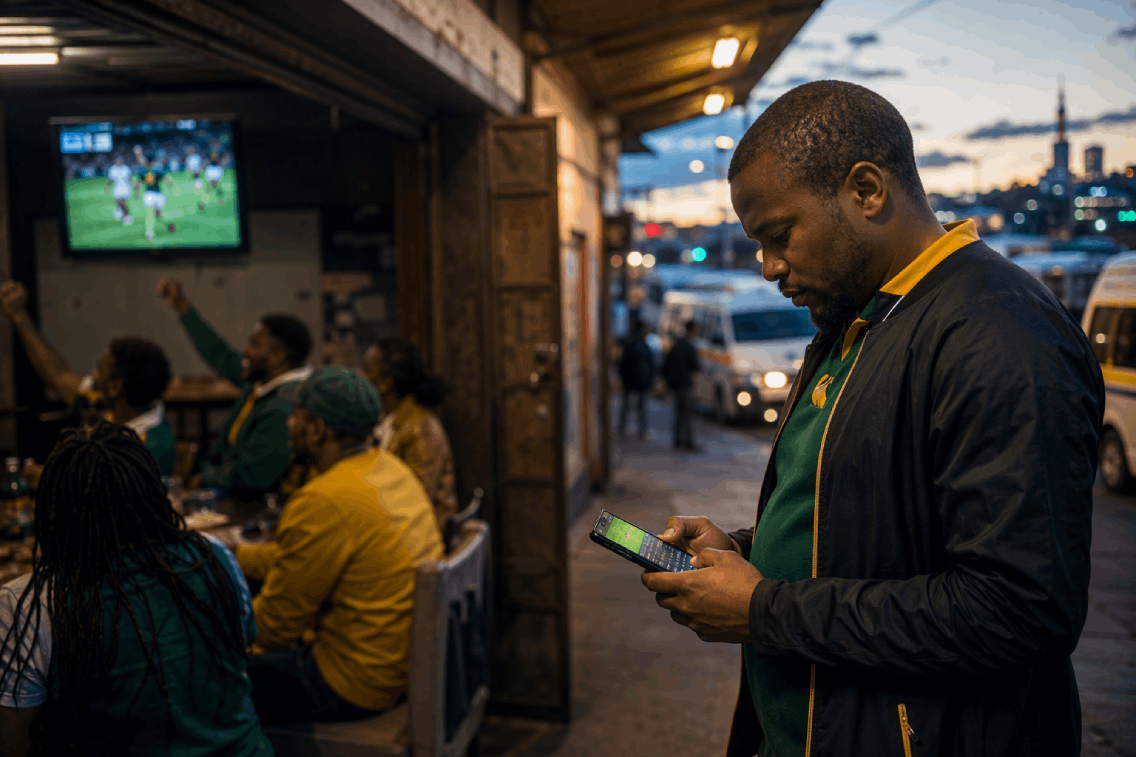
The roar of the crowd at Ellis Park, the tension of a Sharks versus Bulls derby, the collective gasp when Bafana Bafana concedes a late goal. South Africans have always had sport in their blood, but the way we engage with our favourite matches has shifted dramatically over the past decade. Betting on sport is no longer confined to the smoky corners of bookmakers' shops in Johannesburg or Cape Town. It's become a mobile experience, accessible from a taxi queue in Soweto or a lunch break in Durban. The digital transformation has been swift, and platforms have adapted quickly to meet demand. For many punters, accessing their accounts has become second nature, with options like SportyBet login offering streamlined entry points to place wagers on everything from Premier League football to local rugby fixtures. The convenience factor cannot be overstated, particularly in a country where mobile penetration far exceeds desktop usage.
The Legal Landscape
South Africa's betting regulations have evolved considerably since the National Gambling Act of 2004 laid the groundwork for a controlled industry. Provincial licensing boards oversee operations, and while the system isn't perfect, it has created a framework that allows legitimate operators to function whilst attempting to keep illegal syndicates at bay. The challenge remains enforcement, particularly in the online space where international platforms often operate in grey areas. Recent amendments have sought to tighten controls, but the reality on the ground is that millions of South Africans place bets through various channels, some regulated and others decidedly less so.
The taxation question continues to spark debate. Government revenue from betting taxes has grown year on year, yet critics argue that the social costs outweigh the financial benefits. Community organisations have raised concerns about problem gambling in townships where economic pressures already run high. It's a delicate balance between personal freedom, economic opportunity, and social responsibility.
Why Sport Matters Here
The connection between South Africans and their sporting codes runs deeper than casual entertainment. From the 1995 Rugby World Cup that helped unite a fractured nation to the triumphs and heartbreaks of our cricket team, sport and recreation in South Africa have served as cultural touchstones that transcend race and class divisions. This emotional investment naturally extends to betting behaviour. When the Springboks play, betting volumes spike. When Orlando Pirates face Kaizer Chiefs in a Soweto derby, bookmakers brace for their busiest day of the season.
Football remains the most bet-on sport by volume, though rugby commands significant action during international fixtures. Cricket betting peaks during the summer months, and there's growing interest in international leagues that South Africans have limited direct connection to. The English Premier League attracts enormous wagering activity, with Liverpool and Manchester United shirts as common in Khayelitsha as they are in Manchester itself.
The Mobile Revolution
Walk through any taxi rank in Pretoria and you'll see punters checking odds on their phones, debating accumulator bets, sharing tips through WhatsApp groups. The smartphone has democratised access in ways that traditional bookmakers never could. Data costs remain a concern, but operators have developed lightweight apps and USSD options that function even on basic handsets with minimal data consumption.
This accessibility cuts both ways. It's easier than ever to place a responsible flutter on a weekend match, but it's equally simple to chase losses at three in the morning. Consumer protection measures have improved, with mandatory deposit limits and self-exclusion options now standard features, yet implementation varies wildly between operators.
The Social Dimension
Betting has always been a communal activity in South African culture. The spaza shop notice board with handwritten tips, the colleague who fancies himself an expert on La Liga form, the family WhatsApp group arguing over whether the Proteas can chase down 280. Digital platforms have amplified these social elements through in-app chat features and shared bet slips, but they've also introduced isolation risks for vulnerable individuals.
Youth unemployment sits above 30 percent, and for some young South Africans, sports betting represents a perceived path to quick money. Financial literacy programmes have struggled to keep pace with the industry's growth, leaving gaps in understanding around probability, house edges, and the mathematical realities of long-term betting.
The industry's future will likely hinge on how effectively it balances commercial growth with social responsibility. International examples offer both cautionary tales and potential models, but South Africa's unique social and economic context demands homegrown solutions. What remains certain is that sports betting has become woven into the fabric of how millions of South Africans experience their favourite matches, for better or worse.

